
Sani Pass is one of Southern Africa’s most spectacular and most talked-about mountain drives, linking the KwaZulu-Natal foothills to the Lesotho highlands via a series of steep gravel switchbacks. But it’s also a pass that raises a lot of questions before you go: Is it dangerous? What vehicle do you actually need? Do you need a guide, and what are the border requirements? We’ve put together this hub of detailed guides covering everything from safety and seasonal conditions to altitude tips and vehicle requirements, so you can plan your Sani Pass trip with confidence whether you’re driving yourself or joining a guided tour.
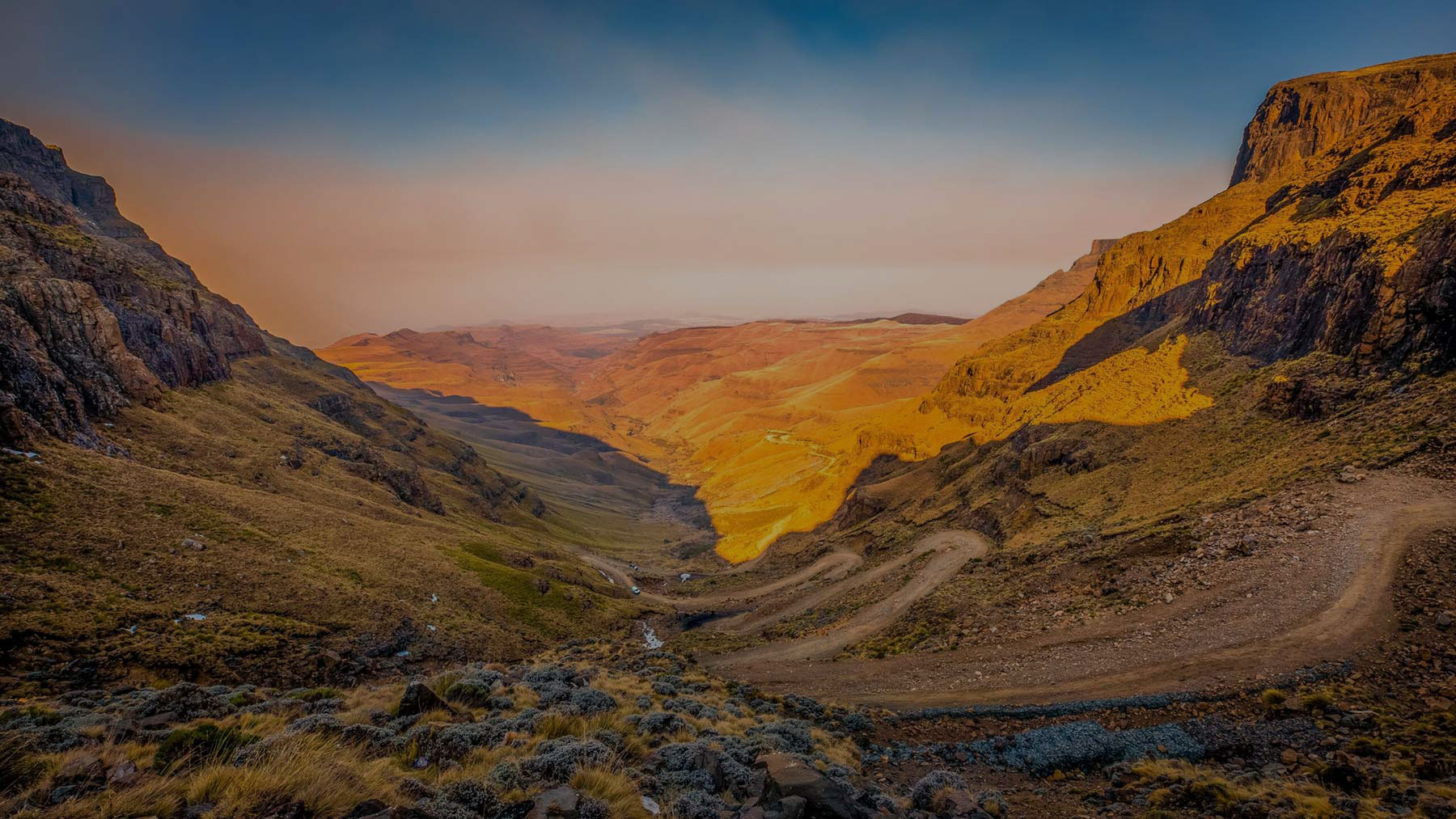
The Complete Sani Pass Travel Guide
Everything you need to know before driving one of Southern Africa's most iconic mountain passes.

Is Sani Pass Dangerous?
Sani Pass has built a reputation over the years as one of Southern Africa’s most dramatic mountain roads, and for good reason. With steep gradients, sharp switchbacks, changing weather conditions and a summit reaching over 2,800 metres above sea level, it is certainly not an ordinary drive.

Best Time to Visit
The truth is there really is no bad time to visit. Sani Pass changes dramatically throughout the year, and each season offers a completely different experience. The best time to visit simply depends on what kind of scenery, weather and adventure you are looking for.
Sani Pass in Winter
Winter on the Sani Pass is unlike anything else in Southern Africa. Snow-covered mountains, frozen waterfalls, crisp high-altitude air and dramatic scenery transform the pass into a truly unforgettable experience during the colder months.

What vehicle do you need for Sani Pass?
Unlike a standard tarred mountain road, Sani Pass is a rugged gravel pass that climbs rapidly from the foothills of KwaZulu-Natal into the high mountains of Lesotho. The road conditions can change significantly depending on recent weather and maintenance work.


Do You Need a Guide?
You can self-drive Sani Pass, but it requires the right vehicle, a genuine off-road experience, and proper border documentation. Find out what’s involved, what catches most first-timers off guard, and why many experienced drivers still choose a guided tour.

Sani Pass Altitude
Sani Pass climbs to almost 2,900 metres, and some visitors feel it. Find out what altitude symptoms to expect and simple tips to stay comfortable at the summit.
Sani Pass Borders
Sani Pass crosses an international border between South Africa and Lesotho, with two separate border posts to clear on the way in and out. Before you travel, you’ll need the right documents, including a valid passport, vehicle registration papers and, for financed vehicles, a cross-border letter. Border posts operate from 06:00 to 18:00, and visitors entering Lesotho also pay a R100 tourism levy plus a separate vehicle toll at the top. Get the full breakdown of requirements, costs and what to expect at each border post before you go.

Africa's Highest Pub: Plan Your Visit
Perched near the summit of Sani Pass at almost 2,900 metres, the Highest Pub in Africa is one of the most iconic stops on the pass. But recent changes to the entry system have caught many visitors off guard. Entry now requires a prepaid ticket, costing R200 per adult and R100 per child, redeemable as a food and drinks voucher. Daily capacity is limited to around 40 guests, the venue is cashless, and cell signal at the top makes last-minute booking unreliable. Get the full breakdown of fees, booking tips and alternatives if it’s fully booked.

5 Fascinating Facts About Sani Pass
From its origins as a pack animal trading route in the early 20th century to its status as one of Africa’s most exhilarating 4×4 drives, Sani Pass has a remarkable story behind it. Climbing over 1,300 metres across roughly 9 kilometres of switchbacks and gravel, it serves as both an official border crossing into Lesotho and a bucket-list destination for adventure travellers. Discover five facts that make this mountain pass truly unlike anything else in Southern Africa.

Ready to Experience Sani Pass?
However you choose to experience it, Sani Pass rewards proper preparation. Take a look through the guides below to get clarity on vehicle requirements, border crossing rules, seasonal conditions and altitude considerations, and if you’d rather leave the driving to experienced local guides, Lesotho On Track offers year-round guided tours so you can enjoy the mountain safely and stress-free.
FAQ's: About Sani Pass
Is it safe to drive Sani Pass yourself?
Sani Pass can be driven safely with the correct low-range 4×4 vehicle and off-road driving experience, but it’s not recommended for inexperienced drivers, especially in poor weather or winter conditions. Many visitors choose a guided tour instead.
What vehicle do you need for Sani Pass?
A proper low-range 4×4 is legally required to drive Sani Pass. Standard SUVs or all-wheel-drive vehicles without genuine low-range capability and adequate ground clearance are not suitable.
Do you need a guide to drive Sani Pass?
No, a guide isn’t legally required, but it’s strongly recommended for visitors without off-road experience or local knowledge of the pass, particularly given how quickly weather and road conditions can change.
What are the border requirements for Sani Pass?
Sani Pass crosses an international border between South Africa and Lesotho, so a valid passport is required for all travellers. Border posts have set operating hours, so timing your crossing correctly is important.
Does it snow on Sani Pass?
Yes, snowfall occurs most years on Sani Pass and in the Lesotho highlands, mainly between June and August. Snow is never guaranteed and conditions can change rapidly.
Can you get altitude sickness on Sani Pass?
Mild altitude-related symptoms such as headaches or fatigue are possible at the summit, which sits over 2,800 metres above sea level. Staying hydrated and pacing yourself can help reduce the effects.
What is the best time of year to visit Sani Pass?
There’s no single best time; winter offers the best chance of snow, summer brings green mountains and waterfalls, and autumn typically has the clearest, most stable weather.
Contact us to start planning your perfect Sani Pass Adventure.
An Adventure Awaits in Africa's Hidden Paradise
Contact Us Here
Address
Shop 21, Troutwalk Centre, 12 Sani Road, Underberg, 3257, KZN, South Africa
Call or WhatsApp us
+27 (0) 72 900 2304
Popular Articles
Popular Tours
About Lesotho on Track
2026 Lesotho on Track.
