
Sani Pass in Winter: Snow, Ice and What to Expect
Snowfall chances, road conditions and what to pack before tackling the pass in winter.
Winter Snowfall on Sani Pass
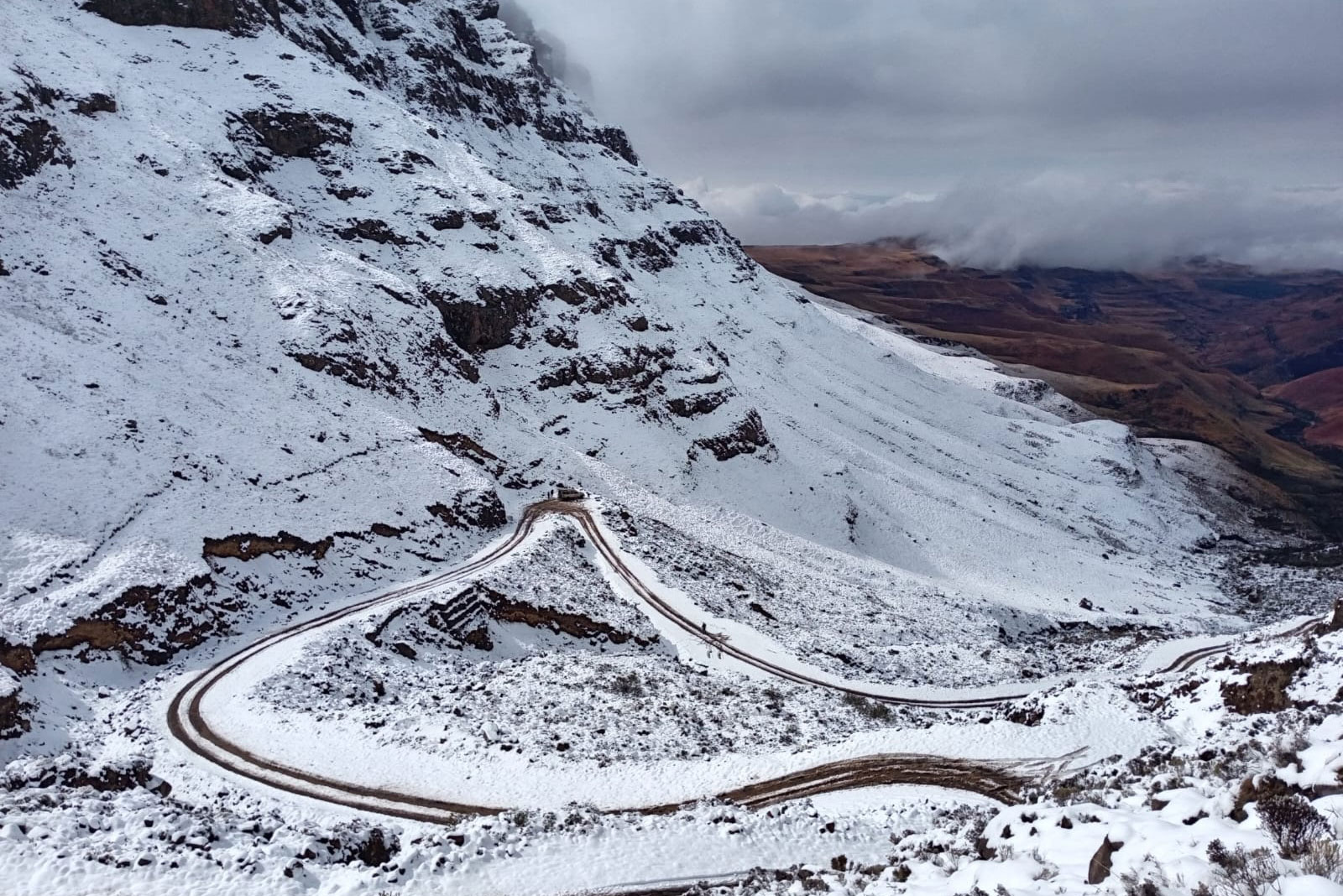
Winter on the Sani Pass is unlike anything else in Southern Africa. Snow-covered mountains, frozen waterfalls, crisp high-altitude air and dramatic scenery transform the pass into a truly unforgettable experience during the colder months.
For many South Africans, winter is the most exciting time to visit Sani Pass, especially for those hoping to experience snow in the Drakensberg and Lesotho.
Does It Snow on Sani Pass?
Historically, yes, the Sani Pass and Lesotho highlands experience snowfall every year, with snowfall ranging anywhere from 3cm to 70cm in depth. Snow is however, never guaranteed, and conditions can change very quickly in the mountains.
While most snowfall occurs during the winter months between June and August, September has also historically produced some of the biggest snowfalls on the pass.

Winter Conditions Change Quickly
One of the most important things to understand about Sani Pass in winter is how rapidly conditions can change.
It is completely possible to start the morning with clear blue skies and sunshine, only for mist, snow or freezing temperatures to move in later in the day.
Road conditions can also change very quickly during snowfalls or cold fronts. Ice often becomes an even bigger challenge than snow itself, particularly during the early mornings or after temperatures drop overnight.
Black ice can form on sections and may be difficult to spot, making driving conditions especially dangerous for inexperienced drivers.
During severe weather events, border officials may temporarily close the pass for safety reasons.
For the latest snow and road condition updates, we always recommend following Snow Report SA as well as our local Southern Drakensberg Instagram page (@southerndrak), which regularly shares updates on snowfall and road conditions.
Driving Sani Pass in Winter
Winter driving on Sani Pass requires extra caution, experience and the correct vehicle. Snow, mud and ice can significantly reduce traction, especially on the steep upper sections of the pass. A proper low-range 4×4 vehicle is legally required, and tyre condition becomes even more important during winter conditions.
Visibility can also change rapidly if mist or snowfall moves in unexpectedly.
For visitors without off-road driving experience, winter is one of the best times to consider joining a guided tour rather than attempting the drive independently.
Experienced local guides understand how the pass behaves in different weather conditions and can safely adapt to rapidly changing mountain environments.
At Lesotho On Track, our guides have almost two decades of combined experience driving Sani Pass in all kinds of winter conditions, allowing guests to enjoy the adventure without the stress of navigating the mountain themselves.

What to Wear on Sani Pass in Winter
Winter temperatures on Sani Pass can drop well below freezing, particularly at the summit and during cold fronts. Wind chill at the top of the pass can also make conditions feel significantly colder than the actual temperature.
The best approach is to dress in warm layers that can easily be adjusted throughout the day.
We strongly recommend bringing:
- A warm windproof/waterproof jacket
- Gloves and a beanie
- Comfortable closed shoes
- Sunglasses
- Sunscreen (the high-altitude sun can still be surprisingly strong)
Even during winter, the weather can vary dramatically between the bottom and top of the pass, so being prepared for changing conditions is important.
Is Winter the Best Time to Visit Sani Pass?
For many people, absolutely. The possibility of snow, dramatic mountain scenery and crisp winter visibility make this one of the most memorable times to experience Sani Pass, especially for South Africans. Winter also offers a completely different atmosphere to the green summer months.
That said, winter conditions should always be respected. Preparation, flexibility and local knowledge make a huge difference when travelling in the mountains during this time of year.
For visitors hoping to safely experience snow, mountain scenery and the excitement of Sani Pass in winter, a guided 4×4 tour is often the easiest and most enjoyable way to experience it all.
Your Adventure Starts Here
Sani Pass 4x4 Tour Packages
FAQ's: Sani Pass in the Winter
Does it snow on Sani Pass?
Yes, Sani Pass and the Lesotho highlands typically receive snowfall every year, ranging from around 3cm to 70cm in depth. Snow is never guaranteed, and conditions can change quickly in the mountains.
When is the best time to see snow on Sani Pass?
Most snowfall happens between June and August, though September has historically produced some of the biggest snowfalls on the pass.
Is it dangerous to drive Sani Pass in winter?
Winter driving requires extra caution, as ice, including black ice, can form quickly and is often harder to manage than snow itself. A proper low-range 4×4 is legally required, and conditions can change rapidly, especially at higher altitude.
Do I need a 4x4 to drive Sani Pass in winter?
Yes, a low-range 4×4 vehicle is legally required to drive Sani Pass, and this becomes even more important in winter when snow, ice and mud reduce traction on the steep upper sections.
What should I wear on Sani Pass in winter?
Dress in warm, adjustable layers, including a windproof and waterproof jacket, gloves, a beanie and comfortable closed shoes. Sunglasses and sunscreen are also recommended, as high-altitude sun can still be strong even in cold weather.
Is winter the best time to visit Sani Pass?
For many visitors, winter offers snow, dramatic scenery, and crisp visibility, giving the pass a completely different atmosphere than the green summer months. That said, you should always respect conditions, and a guided 4×4 tour is often the safest way to experience it.
Contact us to start planning your perfect Sani Pass Adventure.
An Adventure Awaits in Africa's Hidden Paradise
Contact Us Here
Address
Shop 21, Troutwalk Centre, 12 Sani Road, Underberg, 3257, KZN, South Africa
Call or WhatsApp us
+27 (0) 72 900 2304
Popular Articles
Popular Tours
About Lesotho on Track
2026 Lesotho on Track.
