
Sani Pass Altitude Sickness: What to Expect & How to Prepare
From mild headaches to shortness of breath, what the elevation does to your body and how to manage it.
How Altitude Affects You on Sani Pass
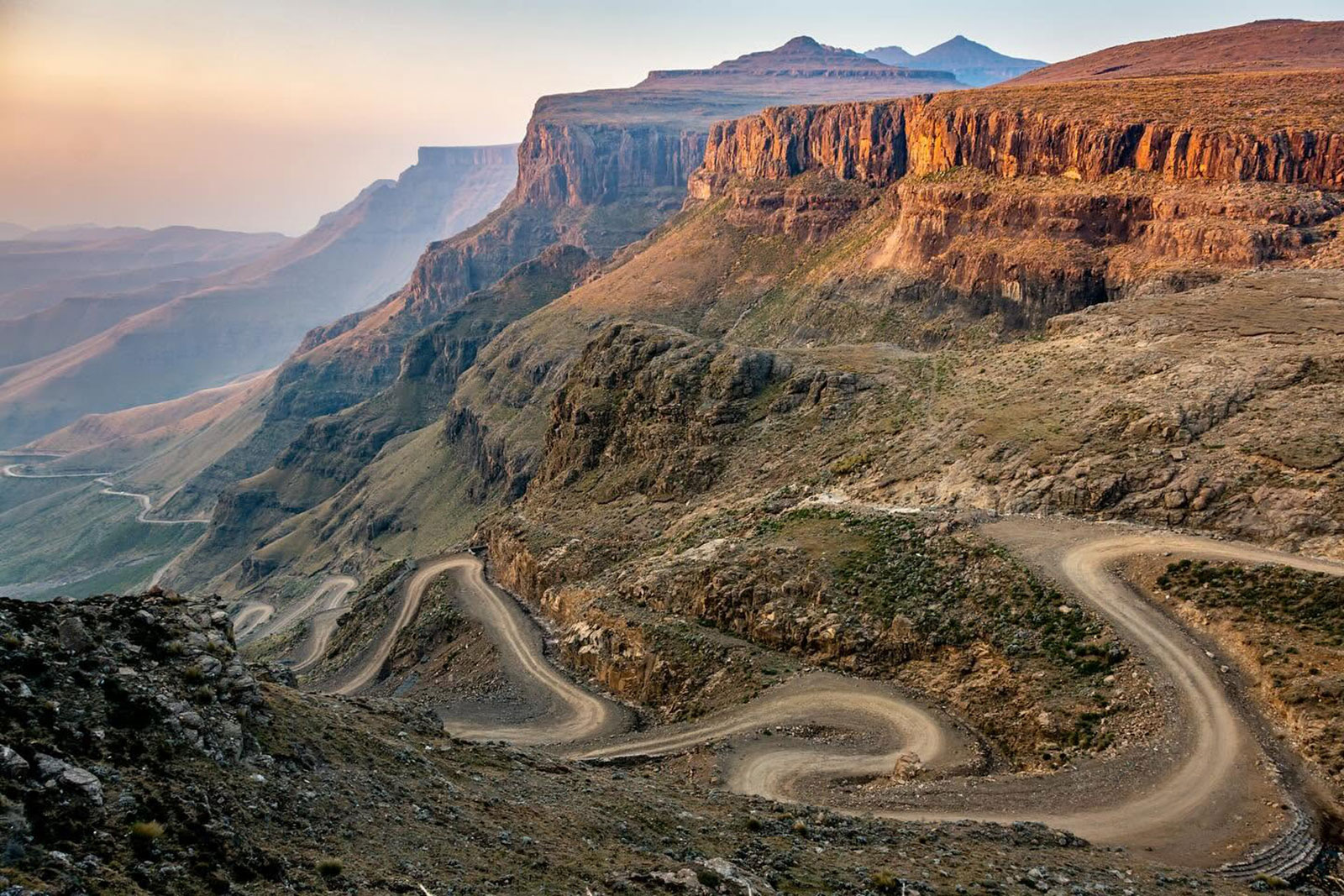
Sani Pass climbs from around 1,500 metres near Underberg to almost 2,900 metres at the summit, and it does so quickly. For visitors not used to high altitudes, that rapid elevation gain can bring on mild symptoms that catch them off guard.
The good news: serious altitude sickness on a Sani Pass day trip is uncommon. Most symptoms are mild, temporary and improve once you descend. A little preparation goes a long way.
Yes, mild symptoms are fairly common
Can You Get Altitude Sickness on Sani Pass?
Yes, mild altitude symptoms are fairly common, particularly for first-time visitors. As you climb higher, the air thins and contains less oxygen. Some people adjust easily; others notice symptoms shortly after reaching the summit or entering the higher areas of Lesotho.
One thing worth knowing: fitness level doesn’t guarantee immunity. Even very active, healthy people can feel the effects of elevation at this altitude.

Headaches, dizziness, fatigue and shortness of breath
Common Altitude Symptoms on Sani Pass
Most symptoms are mild and resolve quickly once the body adjusts or after descending.
Look out for:
- Mild headaches
- Dizziness or light-headedness
- Fatigue
- Shortness of breath
- Nausea
Some visitors simply feel more tired than usual. Others notice they become breathless more quickly when walking around at the summit; this is completely normal at altitude.
Simple steps to stay comfortable throughout
Tips to Reduce Altitude Symptoms on Sani Pass
Usually mild, short-lived and easily managed
Should You Be Concerned?
For the vast majority of visitors, altitude on Sani Pass is more of a mild inconvenience than a genuine health risk. Symptoms are typically short-lived and resolve quickly on the descent.
That said, always listen to your body. Avoid pushing yourself if you’re feeling unwell, and let your guide know if symptoms feel more than mild.
Experienced guides help you pace yourself
Why Guided Tours Make It Easier
Experienced guides understand how altitude affects visitors, especially those travelling to high elevation for the first time. A good guide helps guests pace themselves throughout the day, making the whole experience more comfortable and enjoyable.
At Lesotho On Track, our guides regularly assist first-time high-altitude visitors and are well-equipped to ensure the mountain is experienced safely, comfortably and memorably.

Your Adventure Starts Here
Sani Pass 4x4 Tour Packages
FAQ's: Sani Pass Altitude Sickness
Can you get altitude sickness on Sani Pass?
Mild altitude symptoms are fairly common, particularly for first-time visitors. The pass climbs rapidly from around 1,500 metres to almost 2,900 metres, and some people notice headaches, dizziness or fatigue near the summit.
What are the symptoms of altitude sickness on Sani Pass?
Common symptoms include mild headaches, dizziness, light-headedness, fatigue, shortness of breath and nausea. Most are mild and resolve quickly once descending to lower elevation.
Does fitness level prevent altitude sickness on Sani Pass?
Not necessarily. Altitude affects people differently regardless of fitness. Even active, healthy visitors can experience mild symptoms at the summit.
How do you prevent altitude sickness on Sani Pass?
Stay well hydrated, eat a good meal before travelling, take it slow at the summit, dress warmly and avoid excessive alcohol. Simple preparation makes a significant difference at altitude.
Is altitude sickness dangerous on Sani Pass?
Serious altitude sickness on a Sani Pass day trip is uncommon. Most symptoms are mild and temporary. That said, always listen to your body and let your guide know if you feel unwell.
How high is Sani Pass?
Sani Pass climbs from approximately 1,500 metres near Underberg to just under 2,900 metres at the Lesotho border summit, making it one of the highest road crossings in Southern Africa.
Contact us to start planning your perfect Sani Pass Adventure.
An Adventure Awaits in Africa's Hidden Paradise
Contact Us Here
Address
Shop 21, Troutwalk Centre, 12 Sani Road, Underberg, 3257, KZN, South Africa
Call or WhatsApp us
+27 (0) 72 900 2304
Popular Articles
Popular Tours
About Lesotho on Track
2026 Lesotho on Track.
