
5 Fascinating Facts About Sani Pass
History, altitude, border crossings and bucket-list driving, here's what makes this mountain pass truly remarkable.
Nature's Masterpiece in the Drakensberg
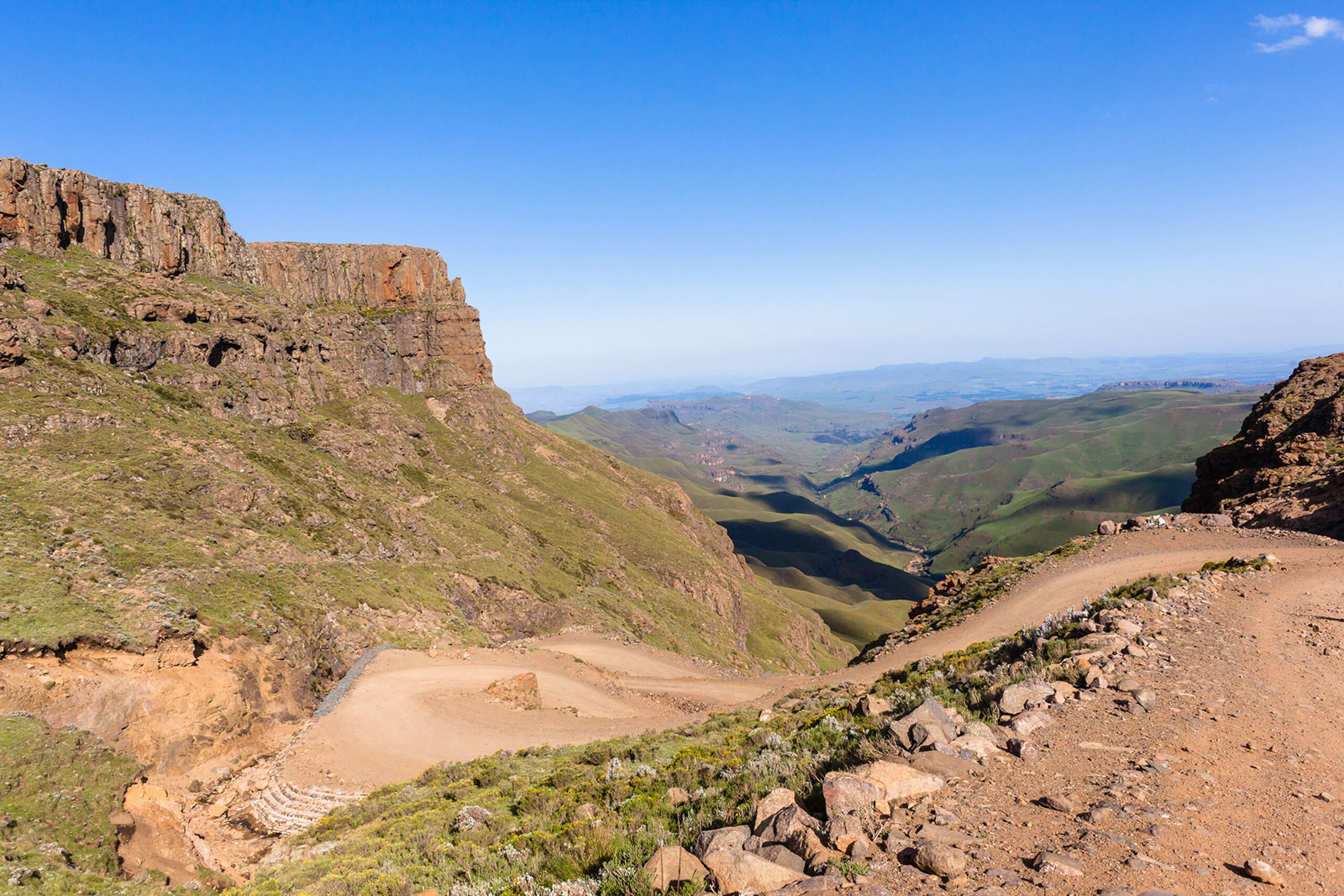
The Sani Pass is one of Southern Africa’s most iconic and dramatic mountain routes. Winding its way through the rugged Drakensberg Mountains, it connects KwaZulu-Natal, South Africa, with Lesotho, climbing to an altitude of 2,876 metres (9,400 feet) above sea level. Known for its hairpin bends, steep gradients, and breathtaking views, the Sani Pass is more than just a road; it’s a journey through history, culture, and natural wonder.
A Route Carved by Necessity
The origins of the Sani Pass date back to the early 20th century when it served as a trading route between Basotho communities in the highlands and traders in South Africa. Back then, pack animals like donkeys and mules were used to carry goods up and down the treacherous track, often in extreme weather conditions.
In the 1950s, the route was officially opened to motor vehicles, though it remained incredibly rough and was only navigable by 4×4 vehicles. Over time, the pass became a lifeline for highland communities and a gateway to Lesotho’s remote eastern districts.
A Challenge Worth Taking
Even today, the Sani Pass remains a 4×4-only route and is widely regarded as one of the most exhilarating drives in Africa. It stretches roughly 9 kilometres from the South African border post to the summit at the Lesotho border, with a climb of over 1,300 metres. The road features tight switchbacks, steep drop-offs, and gravel surfaces that can become slick or snowy depending on the season.
Because of its challenging terrain, the Sani Pass has become a bucket-list destination for off-road enthusiasts, photographers, and adventure travellers alike.
Climate & Conditions
The Sani Pass is located in a high-altitude region, and weather conditions can change quickly. Snowfall in winter and thunderstorms in summer can make the road unpredictable. For safety reasons, visitors are advised to travel with an experienced guide or tour operator, particularly if unfamiliar with driving in such tricky terrain.
Cross-Border Adventure
The Sani Pass serves as an official border crossing between South Africa and Lesotho. The South African border post sits at the foot of the pass, while the Lesotho border is at the top. Passengers must bring passports and check visa requirements in advance.
At the summit, travellers are welcomed into the Kingdom of Lesotho, and often rewarded with a drink at the Highest Pub in Africa, located just beyond the border at Sani Mountain Lodge.
Preservation & Progress
In recent years, sections of the pass have undergone upgrades, including paving the lower portion of the road. However, the upper reaches remain unpaved, preserving the sense of raw, untamed adventure that makes the Sani Pass so unique.
Efforts are also in place to protect the fragile mountain environment, which is home to diverse birdlife, wildflowers, and stunning rock formations.
A Journey Through Time and Terrain
Whether you’re drawn to its history, its thrilling ascent, or the breathtaking views from the top, the Sani Pass offers a travel experience like no other. It’s more than just a road; it’s a gateway to Lesotho, a slice of living history, and one of Southern Africa’s true natural wonders.
Planning to visit? Join one of our guided Sani Pass tours and experience this incredible route with expert local insight, comfort, and safety.
Your Adventure Starts Here
Sani Pass 4x4 Tour Packages
FAQ's: Sani Pass History
What is the history of Sani Pass?
Sani Pass dates back to the early 20th century, originally serving as a trading route between Basotho highland communities and South African traders. Pack animals were used to carry goods along the track before the route was officially opened to motor vehicles in the 1950s.
How long is Sani Pass?
Sani Pass stretches roughly 9 kilometres from the South African border post at the base to the Lesotho border post at the summit, climbing over 1,300 metres in elevation along the way.
Is Sani Pass only for 4x4 vehicles?
Yes, Sani Pass remains a 4×4-only route. The road features tight switchbacks, steep drop-offs and gravel surfaces that can become slick or icy depending on the season, making a proper low-range 4×4 essential.
What are the weather conditions like on Sani Pass?
Weather on Sani Pass can change quickly at any time of year. Snowfall is possible in winter, while summer brings afternoon thunderstorms. Conditions at the summit can differ dramatically from those at the base of the pass.
Is Sani Pass an official border crossing?
Yes, Sani Pass is an official border crossing between South Africa and Lesotho. The South African border post is located at the foot of the pass and the Lesotho border post sits at the summit. A valid passport is required for all travellers.
Contact us to start planning your perfect Lesotho Adventure.
An Adventure Awaits in Africa's Hidden Paradise
Contact Us Here
Address
Shop 21, Troutwalk Centre, 12 Sani Road, Underberg, 3257, KZN, South Africa
Call or WhatsApp us
+27 (0) 72 900 2304
Popular Articles
Popular Tours
About Lesotho on Track
2026 Lesotho on Track.
